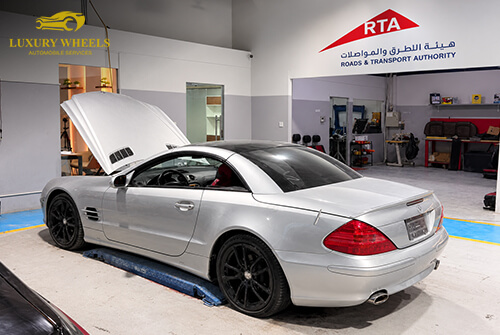
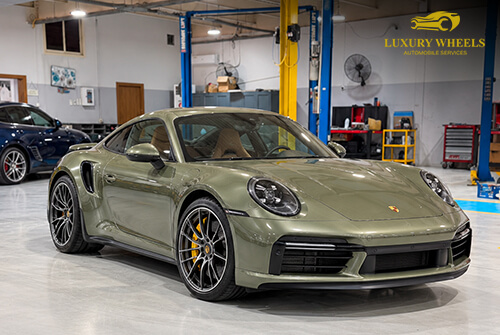
Every luxury car owner in Dubai knows the summer test. The heat climbs past 45°C, the traffic stalls on Sheikh Zayed Road, and your engine has to cope with both. When you compare GCC vs. non-GCC luxury cars in Dubai, the sticker price is only the first chapter of the story.
Most comparison pages stop at spec sheets and price gaps. They rarely explain real maintenance costs, parts availability, diagnostic limits, climate-related wear, or how service records shape resale value. Those are the factors that decide what you actually spend over five years of ownership.
This guide is for owners of imported Mercedes-Benz, BMW, Porsche, Audi, Range Rover, and Lexus models. It is also for buyers weighing a used import against a GCC-spec car. With more than 10 years of hands-on luxury car servicing in Dubai, we have seen these trade-offs play out in our workshop every day.
Understanding the Operational Reality of Non-GCC Imports in the UAE
A non-GCC car can be a smart buy, but it needs a different approach. Let's start with what sets these vehicles apart once they hit UAE roads.
Beyond the Price Tag: Why Luxury Imports Require a Different Management Mindset
Non-GCC-imported luxury cars in Dubai often cost noticeably less upfront. That saving is real, but it comes with a condition: you must manage the car more actively than a GCC-spec model.
Think of it like owning a car built for a cooler city. It runs well, but it needs closer monitoring of fluids, cooling components, and electronics to stay reliable here.
Defining "GCC Spec" vs. Gray Market Imports (US, EU, Japan)
A GCC-spec car is built for the Gulf. It usually comes with a larger radiator, stronger cooling fans, upgraded air conditioning, and better dust sealing.
Grey market cars in the UAE are imported from the US, Europe, or Japan. They are designed for milder climates, different fuels, and different regulations. The GCC spec vs. American spec cars debate often comes down to how well the car handles heat.
The Climate Delta: Why "Standard" Maintenance Schedules Fail in Dubai
Manufacturer schedules assume moderate conditions. Dubai is anything but moderate, so car maintenance in the UAE climate needs tighter intervals.
The Cooling Challenge: Radiator Capacity and Fan Speed Variations
Many imported models use smaller radiators and fan settings tuned for lower ambient temperatures. In slow summer traffic, that cooling margin shrinks fast.
That's why luxury car cooling system maintenance is the top priority for imports. Regular pressure tests and fan checks are what car overheating prevention in Dubai looks like in practice.
Air Filtration and the Impact of Fine Desert Dust (PM10) on Engine Longevity
Fine desert dust, known as PM10, is small enough to slip past worn filters. Once inside, it acts like sandpaper on cylinder walls and turbo components.
For desert dust engine protection, we recommend inspecting the air filter at every minor service. Replacing it early costs very little compared to the engine wear it prevents.
Accelerated Degradation: Why EU/US Rubber Seals and Gaskets Fail Sooner in 50°C Heat
Rubber seals, hoses, and gaskets harden and crack under constant heat. Compounds chosen for European or American climates often age faster here.
A small oil seep today can become a major leak within months. Catching these small issues early helps you avoid expensive repairs in the long run.
The Parts Procurement Puzzle: Logistics and Availability
Parts can be the biggest headache for import owners. Here is why non-GCC car spare parts in Dubai take more effort to source.
The VIN Block: Why Authorized Dealers May Refuse Parts Orders for Non-GCC Vehicles
Some authorized agencies check your Vehicle Identification Number (VIN) before ordering parts. If the VIN shows a US or European build, they may decline the order or limit support.
This leaves many car owners stuck. An independent specialist with global supplier networks can usually fill that gap.
Cross-Referencing Part Numbers: The Difficulty of Identifying Region-Specific Components
The same car model can use different region-specific car parts depending on the market. Headlights, sensors, and emissions components often vary.
Ordering the wrong part wastes time and money. Our technicians cross-reference part numbers against your exact VIN before anything is ordered.
Supply Chain Realities: Local Inventory vs. Air-Freighting Specialized Parts
Luxury car parts availability in Dubai is good for GCC models but patchier for imports. Some imported luxury car parts in the UAE must be air-freighted from abroad.
Planning ahead makes a big difference. We stock common wear items like filters, brake pads, and spark plugs for popular imports to cut your waiting time.
Hidden Technical Differences: Software, Electronics, and ECU Mapping
Modern luxury cars are rolling computers. Software differences between markets can affect performance, features, and even safety systems.
Engine Management: Adapting to Local Fuel Quality and Emissions Standards
Your Engine Control Unit (ECU) controls fuel delivery, ignition timing, and emissions. Imported cars are calibrated for their home market's fuel blends and regulations.
ECU programming for imported cars can help the engine run more smoothly on local fuel. Done correctly, it protects performance without triggering warning lights.
Infotainment and Connectivity: The Costs of Converting GPS, Radio Frequencies, and Language
US-spec radios use different FM tuning steps, so some UAE stations may not come through clearly. Navigation maps may also lack coverage of the Middle East or Arabic support.
Fixing imported car software compatibility involves coding and map updates. Costs vary by brand, so ask for a quote before you buy.
Diagnostic Limitations: When Local Service Tools Can't Read an Import's Computer
Generic scanners often can't read every module in a non-GCC vehicle. That means fault codes can go unnoticed until something fails.
Proper diagnostics for non-GCC cars in Dubai require brand-level software. It turns guesswork into a clear repair plan for luxury car electronic repairs.
The Service Gap: Choosing the Right Workshop for a Non-GCC Vehicle
Choosing a service provider is one of the most important decisions you will make as an import owner. Here's how the options compare.
Authorized Agency vs. Independent Specialized Workshops
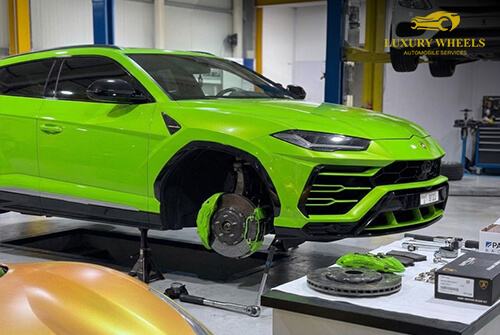
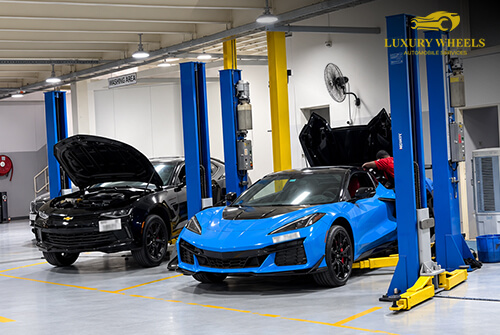
Agencies are well equipped for GCC models but may restrict support for imports. An independent luxury car workshop in Dubai usually offers more flexibility and lower labor rates.
The key is specialization. A non-GCC luxury car specialist in Dubai understands both the car and the local climate.
The Importance of Specialized Diagnostic Software for Gray Market Imports
Every brand uses its own diagnostic platform. Without it, a garage can't reset service intervals, code new parts, or run guided tests.
Our workshop invests in dealer-level tools for major European and Japanese brands. That gives you luxury car diagnostic services that Dubai owners can rely on.
Why "Service History" is Subjective for Imported Luxury Cars
An imported car's records may be split across two countries or missing entirely. A stamped book doesn't always prove the work was done properly.
That's why we start every imported car with a comprehensive check-up. You get a clear baseline of the vehicle's real health.
Critical Fluid Maintenance: Adjusting for Extreme Thermal Loads
Fluids are your car's first defense against heat. Engine oil, coolant, transmission fluid, and brake fluid all break down faster in Dubai.
High-Viscosity Lubricants: Why Your Owner's Manual May Be Wrong for the UAE
Manuals for cooler markets often recommend very thin oil. In extreme heat, a slightly higher viscosity within the manufacturer's approvals can protect bearings better.
Choosing the right engine oil for Dubai weather keeps oil pressure stable during long idle periods. It's a simple change with real long-term value.
Coolant Ratios and Cooling System Flushes: A Shorter Maintenance Window
"Long-life" coolant may not last its full rated life here. Heat breaks down its anti-corrosion additives faster.
For proper luxury car coolant maintenance, we suggest checking the mix at every service. A full flush every two years is a sensible window for most imports.
Transmission Fluid Temperature Management in Stop-and-Go Desert Traffic
Many luxury gearboxes are marketed as "sealed for life." In Dubai traffic, the fluid runs hot and loses protection over time.
Regular transmission fluid maintenance in the UAE helps prevent harsh shifts and costly gearbox rebuilds. Your fluid levels and condition tell us a lot.
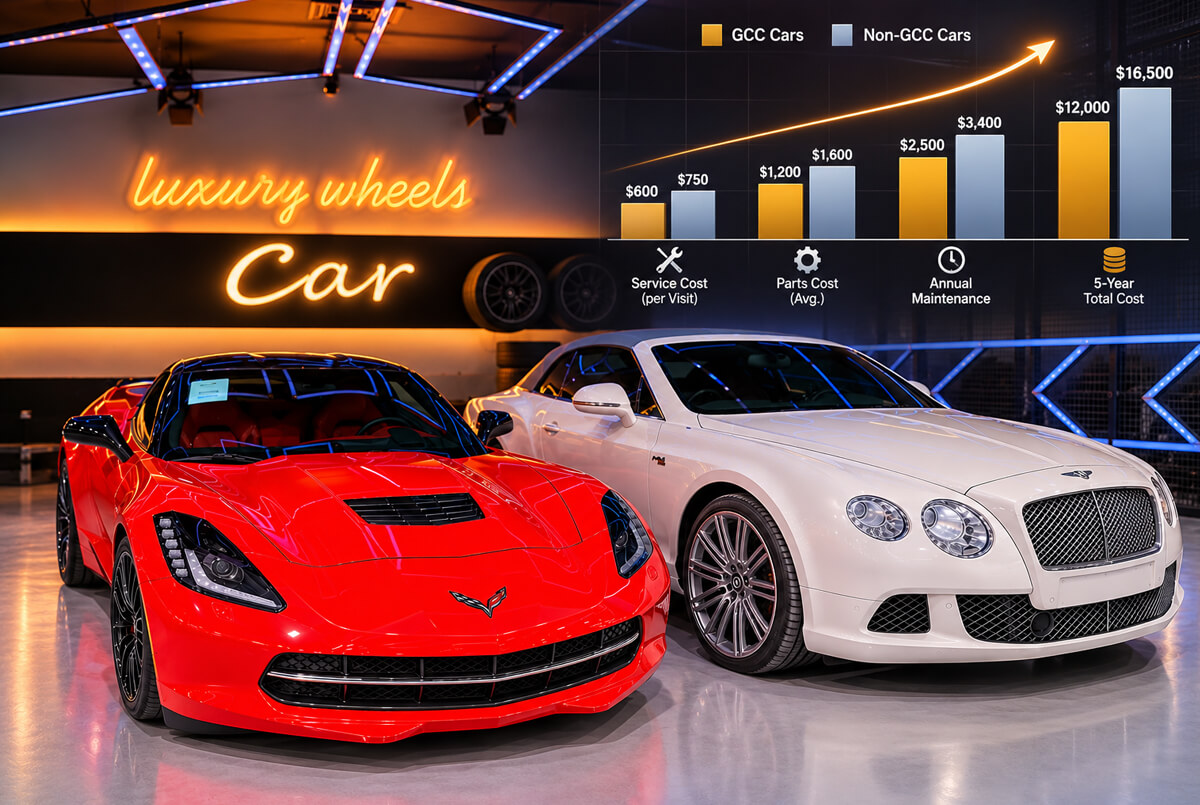
Total Cost of Ownership (TCO): The Financial Impact of the GCC Divide
The real question is simple: what will the car cost you over its life? Here's how the luxury car's total cost of ownership shifts between specs.
The Initial Purchase Saving vs. Accelerated Maintenance Costs
Imported luxury car ownership costs in the UAE often rise because parts wear faster in the heat. Comparing GCC vs. non-GCC car maintenance costs means looking at five years, not one.
With planned maintenance, many owners still come out ahead. Without it, the upfront savings can disappear after one major repair.
Insurance Premium Discrepancies and Market Value Fluctuations
Some insurers charge higher premiums for non-GCC cars or limit agency repair cover. Ask your insurer for both GCC and non-GCC quotes before you buy.
Market values also swing more for imports. Demand depends on buyer confidence, which is shaped by history and condition.
The Resale Stigma: How Maintenance Records Offset the Non-GCC Discount
Non-GCC car resale value in Dubai is usually lower. However, a complete, detailed service record can narrow that gap.
Buyers pay more for proof. Documented work from a recognized specialist turns your import into a confident purchase for the next owner.
Proactive Maintenance Roadmap for Non-GCC Luxury Car Owners
Prevention costs far less than repair. This practical roadmap fits most imported luxury vehicles in Dubai.
The Severe Condition Schedule: Switching to 5,000km Intervals
Dubai has severe driving conditions. We recommend these essential tasks:
- Minor car service every 5,000 kilometers: oil and filter change, fluid levels, brakes, and tyre check
- Major car service every 20,000 kilometers: spark plugs, air and cabin filters, brake fluid, and full inspection
- Timing belt or chain check: based on your car model and mileage
Minor services keep your car healthy, while major services reset its long-term condition.
Pre-emptive Cooling System Overhauls: Preventing the Infamous Dubai Breakdown
The classic Dubai breakdown happens on a hot afternoon when a tired radiator or water pump gives up. Watch for warning signs like rising temperature gauges or a sweet smell.
Replacing hoses, thermostats, and pumps before summer is far cheaper than towing and engine repairs.
UV Protection and Interior Care: Maintaining Luxury Materials in High Heat
UV rays fade leather, crack dashboards, and damage trim. Ceramic window tint, sunshades, and leather conditioning protect your cabin's value.
Small steps like these keep your interior looking premium for years.
Conclusion: Navigating the Maintenance Divide with Confidence
Summary of Key Trade-offs
GCC-spec cars are built for local heat and are easier to service through agencies. Non-GCC imports cost less upfront but need stronger cooling care, careful parts sourcing, and expert diagnostics.
Final Verdict: Is the Maintenance Overhead Worth the Initial Savings?
For many owners and buyers, yes, as long as you plan for proper care. The right workshop turns an import's risks into manageable costs.
At Luxury Wheels, our technicians bring more than 10 years of luxury car servicing experience in Dubai. We use dealer-level diagnostics, VIN-matched parts, and transparent quotes with no surprises.
Book your non-GCC inspection, full diagnostic scan, or maintenance service today. Whether you own an import or are about to buy one, we'll show you exactly where your car stands.