Table of Contents
- Introduction: The Heart of Your BMW's Driving Experience
- Unpacking the Top 10 Common BMW Engine Problems and Their Solutions
- Proactive Engine Maintenance: Extending Your BMW's Lifespan
- When to Seek Professional BMW Service for Engine Problems
- Conclusion: Driving Forward with Confidence
- Frequently Asked Questions (FAQs)
Introduction: The Heart of Your BMW's Driving Experience
Understanding BMW Engineering and Performance Expectations
BMW is synonymous with engineering excellence and high-performance vehicles. Whether you drive a 3 Series or an X5 SUV, the smooth delivery of power and refined driving dynamics rely heavily on the health of your engine. That’s why understanding potential issues before they escalate is essential for preserving your driving experience.
Why a Focused Guide on Engine Problems is Crucial for BMW Owners
BMW engines, although robust, are equipped with high-tech and well-integrated components. This makes them extremely powerful, but they also face particular maintenance challenges. Identifying and addressing the most common BMW engine problems in their early stages can help avoid costly repairs and extend the lifespan of your vehicle.
What This Article Will Cover
This comprehensive guide will highlight the most frequently encountered BMW engine problems, along with their causes, symptoms, and solutions. If you're a DIY-er or prefer to visit a BMW servicing center located in Dubai, this guide will provide you with the information needed to make educated decisions.
Unpacking the Top 10 Common BMW Engine Problems and Their Solutions
1. Oil Leaks: Valve Cover Gasket & Oil Filter Housing Gasket
BMW engines are known for leaks in oil, specifically due to the valve cover gasket as well as gaskets that seal the housings of the oil filter. As time passes, the rubber components break down, which allows engine oil to get into the system. If they are not addressed, it can result in excessive heat in the engine and premature wear. Repairing the issue involves replacing gaskets and examining for any damage to the gaskets of the engine oil pan.
2. Cooling System Failures: Electric Water Pump & Thermostat Issues
BMW's water pump electric is reliable; however, it is susceptible to failure after 60,000 - 80,000 km. Signs of failure include engine overheating, leaks in coolant, or warning indicators. Replacing the water pump as well as the thermostat will ensure that the cooling system is functioning properly.
3. VANOS System Malfunctions
The VANOS system, which regulates camshaft timing to improve efficiency, may experience issues due to worn seals or solenoid problems. Signs of this include low fuel economy and rough idle, as well as slow acceleration. Repairs require a VANOS reconstruction or a solenoid replacement.
4. High-Pressure Fuel Pump (HPFP) Failure
The HPFP is vital to direct fuel in contemporary BMWs. In the event of failure, it can result in engine fires that fail, less power, or even a Check Engine light. Replacing the HPFP with a newer model, with an upgraded design, solves the problem. This is particularly common in turbocharged engines.
5. Timing Chain Wear and Potential Failure
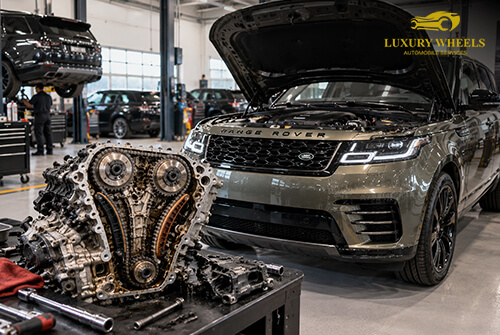
Premature timing chain wear can cause rattling noises, misfires, or engine failure. It’s common in certain 3 Series and N20/N26 engine models. Repair requires full timing chain replacement and realignment of camshaft timing using advanced diagnostic tools.
6. Ignition System Problems: Spark Plugs & Ignition Coils
Misfiring, poor acceleration, and a blinking engine light often trace back to faulty ignition coils or worn spark plugs. These parts should be replaced every 30,000–50,000 km, especially in high-performance vehicles using synthetic oil.
7. Fuel Injector Malfunctions
Carbon buildup or electrical failure can cause fuel injectors to clog or fail. This results in a rough idle, poor throttle response, and black exhaust smoke. Cleaning or replacing the fuel injectors typically solves the issue.
8. PCV Valve (Crankcase Ventilation) System Issues
A failing PCV valve can cause oil leaks, high oil consumption, and engine roughness. Crankcase pressure imbalance may even lead to valve cover gasket failure. Replacing the PCV valve and associated hoses can restore proper engine management.
9. Carbon Buildup on Intake Valves
BMW’s direct injection engines are prone to carbon buildup on intake valves. This leads to loss of power, poor fuel economy, and engine hesitation. Walnut blasting is a common cleaning method used to resolve this issue.
10. Turbocharger Wastegate Rattle/Failure
In turbocharged models, wastegate failure can cause a rattling sound and boost pressure loss. Left unchecked, it affects engine performance and efficiency. Repair may involve actuator replacement or full turbocharger servicing.
Proactive Engine Maintenance: Extending Your BMW's Lifespan
The Critical Role of Regular Maintenance and Timely Oil Changes
Routine oil changes using the correct grade—like 5W30 synthetic oil—ensure engine longevity and help prevent sludge buildup. Avoid extending oil change intervals beyond 10,000 km.
Adhering to Manufacturer-Recommended Service Intervals and Fluid Checks
BMW provides a detailed service schedule, including brake fluid, transmission fluid, and coolant system maintenance. Follow it closely and adjust based on local driving conditions and climate.
Importance of Quality Fluids
Always use high-quality engine oil, OEM oil filters, and the correct coolant mixture. Avoid aftermarket products that may degrade engine performance or trigger sensor errors.
Using Genuine BMW Parts
Genuine BMW parts ensure compatibility with complex systems like the VANOS and cooling system. Using third-party parts can lead to repeated failures and may void warranties.
The Benefits of Routine Vehicle Inspection and Proactive Diagnostic Checks
Periodic engine diagnostics, especially before long trips, can identify early issues. Look for fluid leaks, faulty sensors, or electrical system glitches during inspections.
Understanding Your BMW's Engine Light and Warning Signals
A blinking or constant engine light should never be ignored. Use professional diagnostic equipment or visit a BMW workshop to retrieve fault codes and initiate timely repairs.
When to Seek Professional BMW Service for Engine Problems
Recognizing Symptoms That Require Immediate Attention
If your BMW shows signs like overheating, heavy smoke, strong fuel smell, or knocking sounds—get immediate help. Delays can turn minor problems into engine overhaul scenarios.
The Value of Specialized BMW Mechanics
BMW-trained technicians at a BMW service center in Dubai have access to advanced diagnostic tools and deep familiarity with BMW-specific engine issues.
Cost-Benefit of Early Intervention
Fixing an oil leak or replacing a PCV valve is far less expensive than an engine rebuild. Preventive care saves thousands in potential car repair bills.
Ensuring Quality and Longevity with Expert Care
Choose workshops that provide full service with OEM parts, trained staff, and up-to-date diagnostic equipment. This ensures your engine stays healthy and performs as designed.
Conclusion: Driving Forward with Confidence
Recapping the Importance of Vigilance and Timely Action
Your BMW’s engine is the core of your driving experience. Understanding the most common BMW engine problems, their symptoms, and solutions helps you drive smarter and maintain long-term reliability.
Enjoying the Unmatched Driving Experience
By keeping your engine in top condition through routine maintenance, timely diagnostics, and quality repairs, you can fully enjoy the luxury and performance that BMW is known for.
Final Thoughts
Stay proactive, use genuine BMW parts, and trust only specialized service providers. Whether it’s a 3 Series daily driver or a high-performance M car, your BMW deserves expert care.